

What’s the Real Difference Between Flat and Sloped Roofs?
Flat roofs and sloped roofs differ primarily in how they shed water and how they look from the street. Flat roofs have very little pitch, creating an almost level surface, while sloped roofs are designed with a pronounced angle to channel rain and snow away. In Elmira, NY, the region's climate—with snowy winters and periodic heavy rain—means the roof's shape impacts not just style, but how a home deals with weather, energy use, and long-term maintenance.
Are Flat Roofs Practical for Homes in Elmira, NY?
Flat roofs are used on some residential properties, especially modern or mid-century designs. They’re more commonly found on garages, additions, or certain commercial buildings in the community. While straightforward to build, flat roofs present challenges in climates with frequent snow and rain.
Flat roofs can experience:
- Slow drainage, making snow and water removal critical to prevent leaks
- Higher risk of pooling, which may stress seams and roofing materials
- Requirements for diligent maintenance, especially after snowstorms
However, they offer some advantages for area households that value:
- Easier access for cleaning, inspections, and simple repairs
- Potential for rooftop gardens or patios if local building codes allow
- A modern, unobtrusive look
Local residents considering a flat roof should plan for proactive snow removal and regular checks for standing water—habits especially crucial during Elmira’s long winters.
How Do Sloped Roofs Perform in This Climate?
A sloped roof is a traditional choice for residential homes in Elmira, as its design naturally sheds rainwater and melting snow more efficiently. This feature significantly reduces the risk of leaks, ice damming, and prolonged pooling, all common seasonal concerns in the area.
Key characteristics of sloped roofs:
- More effective at directing water off the structure, crucial for areas with freeze-thaw cycles
- Support for a range of durable, locally popular materials like asphalt shingles, metal, or slate tiles
- Ability to provide attic space for insulation, improving energy efficiency in cold weather
Drawbacks include more complex repairs when problems do arise, and, for homes with steeper pitches, less accessible surfaces for routine inspections.
Which Roof Type Lasts Longer in Upstate New York’s Weather?
Both roof types can be durable, but longevity often depends on material, installation quality, and ongoing upkeep.
For flat roofs, the primary concern is moisture intrusion due to slower drainage. Membrane roofing materials (like EPDM rubber or modified bitumen) commonly used on flat roofs can last 15-25 years with regular care.
Sloped roofs typically outlast flat designs in Elmira:
- Asphalt shingles, the most widespread option, often provide dependable service for 20-30 years
- Metal or slate can last several decades, even up to 50+ years in some cases
Homes with sloped roofs tend to encounter fewer problems related to snow accumulation, but any roof in the area must withstand occasional heavy storms and icy buildup.
How Does Roof Shape Affect Energy Efficiency and Home Comfort?
Roof shape plays a subtle but important role in home comfort, especially in a region with significant seasonal temperature swings like Elmira.
Sloped roofs often enclose an attic, which acts as a buffer zone trapping heat in winter and absorbing attic heat in summer. With proper insulation and ventilation, these attics help maintain comfortable interiors and keep energy bills reasonable.
Flat roofs, by comparison, typically have less space for insulation and may transfer more heat between inside and outside. While it’s possible to install high-performance insulation on a flat roof, extra attention is needed to prevent condensation and manage energy loss—especially if the home is older.
What About Local Style, Neighborhood Codes, or Restrictions?
Elmira features a variety of architectural styles, from historical homes with traditional pitched roofs to contemporary buildings with flatter designs. In some neighborhoods, local ordinances, homeowners’ association rules, or historical district guidelines may actually require a certain roof shape or limit visible changes.
Before deciding, it’s wise for homeowners to:
- Review any neighborhood or municipal codes about roof alterations or additions
- Consider how changing roof shapes could affect curb appeal or property values
- Think about context—flat roofs may fit with modern or commercial buildings, while sloped roofs match more traditional residential aesthetics seen throughout the area
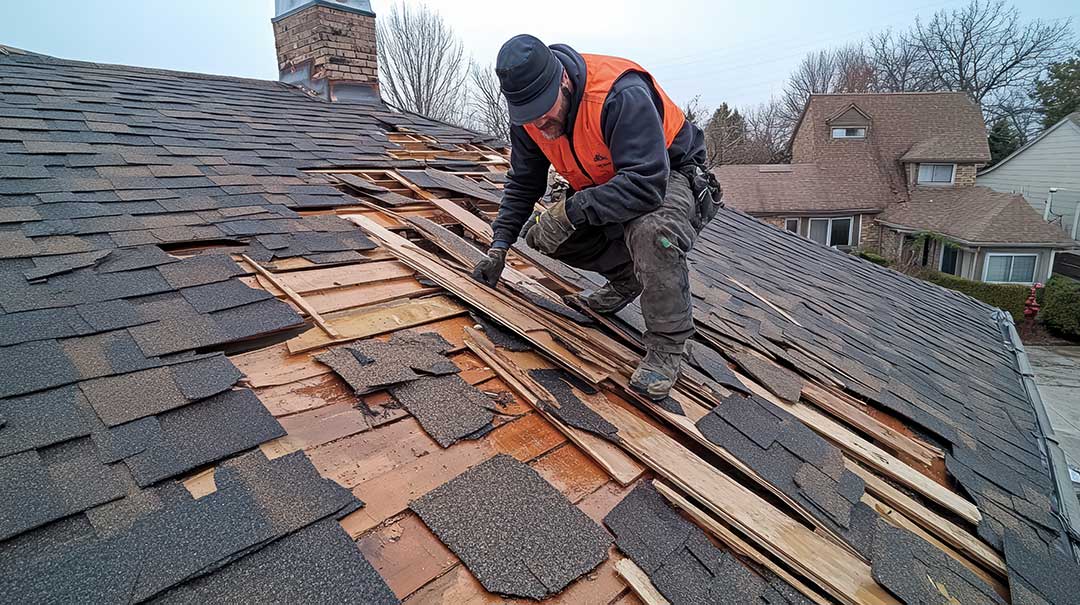
Are There Unique Maintenance Concerns for Each Roof Type?
Absolutely. Each roof shape has its own set of routine upkeep needs:
For flat roofs:
- Keep drains and scuppers clear of leaves, ice, and debris throughout the year
- Routinely inspect for cracks, surface bubbles, or soft spots, especially after storms
- Watch for standing water and remove snow after significant accumulation to reduce stress
For sloped roofs:
- Inspect for shingle loss, lifting, or visible wear after strong winds or hail
- Ensure gutters remain free-flowing to direct water safely away from the foundation
- Check attic ventilation to reduce ice dam risk—an occasional but real issue locally
Overlooking these simple tasks can lead to leaks or shorten a roof’s life, particularly in a place with regular heavy precipitation.
Which Roof Type Offers Better Value Over Time?
The best value depends on individual priorities—cost of installation, expected maintenance, personal style preferences, and ability to manage upkeep.
Sloped roofs generally offer lower long-term costs for most local homes due to:
- Superior drainage matching upstate weather
- Extended lifespan with commonly available repair materials
- Fewer required inspections or emergency repairs
Flat roofs may be the right choice for additions, certain modern homes, or where easy rooftop access is a priority. They may require higher maintenance vigilance but can be an adaptable option if thoughtfully planned and maintained.
