
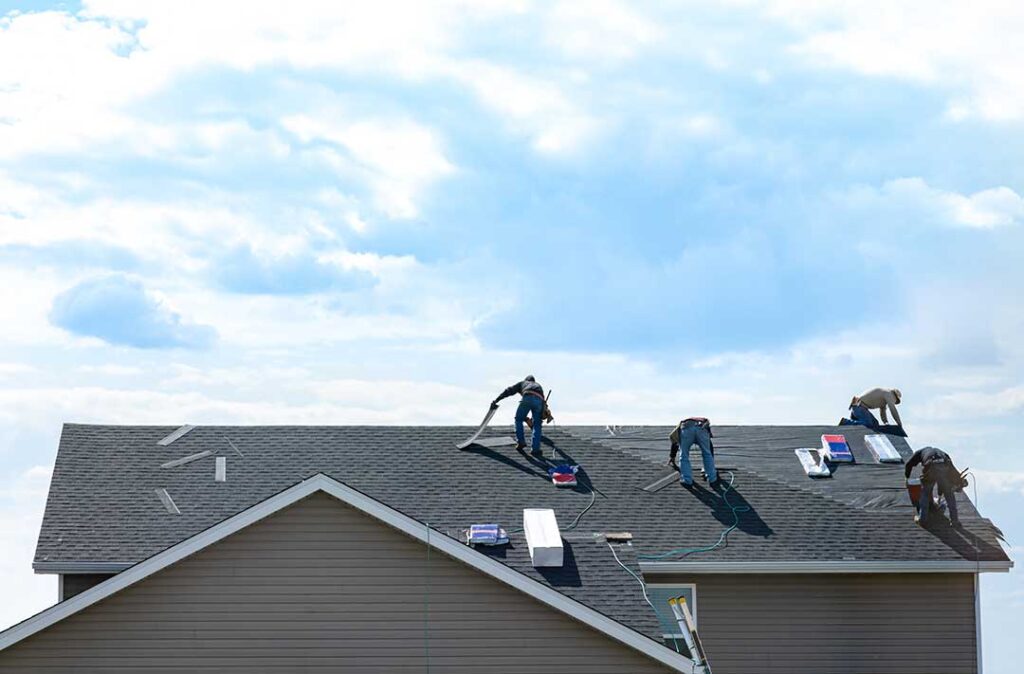
Why Should Elmira, NY Residents Prepare Roofs Before Winter?
Winter brings heavy snow, ice, and freezing temperatures that pose unique risks to local roofs. Addressing these risks before cold weather arrives helps protect homes from leaks, ice dams, and structural damage. Early preparation reduces emergency repairs and keeps households more comfortable when the weather turns harsh.
Because Elmira experiences significant snowfall and multiple freeze-thaw cycles throughout winter, roofs in the area face more severe stress than in milder climates. Homeowners who prepare proactively can extend the life of their roofing system and better manage the challenges specific to this region.
What Are the Top Winter Roof Problems in Elmira?
Roofs in the city most commonly struggle with:
- Ice dams forming at the eaves, causing water to seep under shingles
- Excess snow load, which can strain older or compromised structures
- Freeze-thaw cycles that open gaps in roofing materials and flashing
- Blocked gutters, leading to water backup and siding damage
These issues can go unnoticed until leakage, stains, or visible ice appear indoors. Many of these problems begin with small vulnerabilities — loose shingles, deteriorated sealant, or clogged drainage — that worsen under winter conditions.
How Should the Roof Surface Be Checked for Winter Readiness?
Inspecting the roof from ground level with binoculars is a safe way to look for signs of trouble before climbing a ladder. Focus on:
- Missing, cracked, or curled shingles
- Bare spots or exposed underlayment
- Sagging or uneven roof lines
For those able and comfortable using a ladder safely, check for:
- Broken or rusted flashing around chimneys and vents
- Accumulated debris, moss, or lichen
- Damaged ridge caps or vent boots
Elmira’s steep, sometimes slippery roofs can be hazardous in fall and winter conditions. When patches appear too risky or the roof is high and steeply pitched, residents should consider seeking assistance from a qualified party rather than risking injury.
Are Gutters and Downspouts Important for Winter Protection?
Gutters are crucial in directing melting snow and ice away from the home’s foundation and siding. Before winter:
- Clear all leaves, pine needles, and debris from gutters and downspouts
- Verify that joints and fasteners are secure and watertight
- Make sure downspouts extend several feet from the foundation
In the city, where autumn leaves may fall late, many residents clear gutters more than once in late fall to avoid clogs that trap melting snow. Frozen blockages can cause overflow that damages eaves and creates icicles. Even a small gutter leak can let water infiltrate fascia boards, especially on older homes.
What Steps Can Prevent Ice Dams in the Community?
Ice dams form when sections of roof warm up, melting snow, which then refreezes at the eaves. This is often a result of:
- Heat escaping into the attic, raising the roof’s surface temperature
- Inadequate insulation or air leaks from the living space below
To reduce ice dam risk:
- Add insulation to the attic floor, targeting gaps above heated rooms
- Seal attic air leaks around pipes, chimneys, recessed lights, and hatchways
- Ensure attic ventilation is unobstructed, letting cold air circulate and maintain a uniform roof temperature
Area homes built before modern codes may have uneven insulation, so even small improvements can make a noticeable difference. Residents sometimes overlook attic hatch weatherstripping, which can be a major source of indoor heat loss.
What Should Be Done About Trees and Overhanging Branches?
Tree limbs that hang above or near a roof can dump leaves, twigs, or snow onto shingles, and heavy branches may break under snow and ice. To minimize winter hazards:
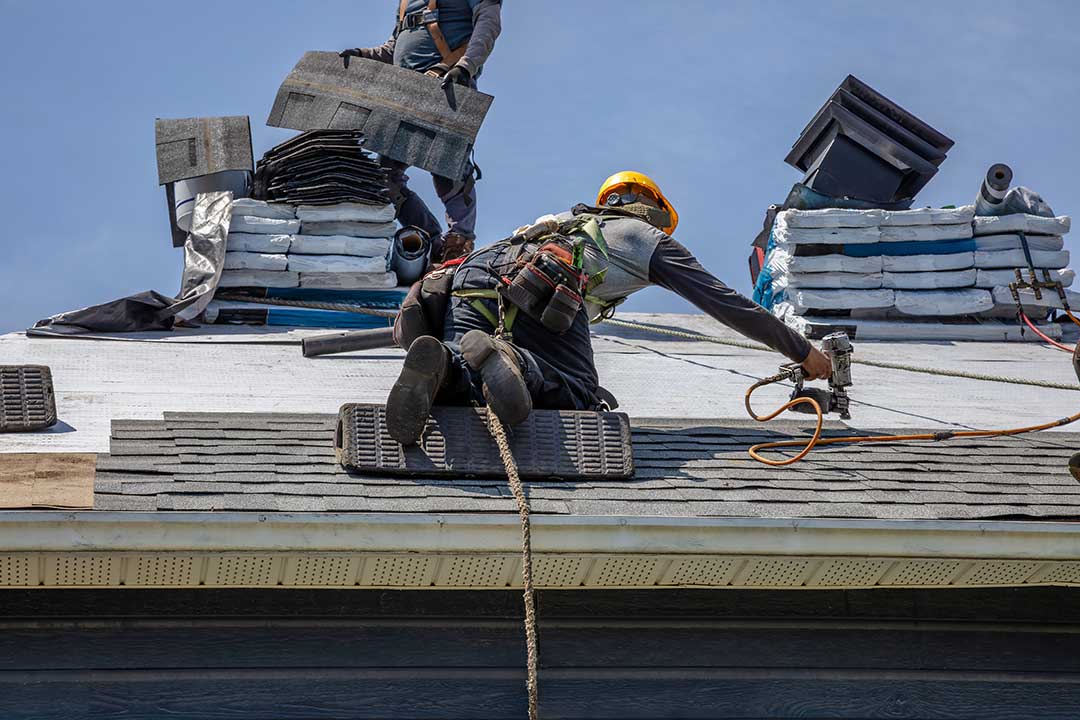
- Trim overhanging branches in autumn before weather worsens
- Remove dead or weak limbs that could fall onto the roof during storms
- Maintain a 10-foot clearance between tree branches and roofing, if possible
Properties in Elmira often have mature maples and oaks that lose branches in storms or under snow load. Trimming trees annually helps prevent damage during winter’s heavy weather events.
How Can Residents Safely Remove Snow From Roofs?
Snow accumulation of more than a foot can threaten local roofs, especially older structures or additions. While most standard residential roofs can withstand typical snow load, certain risk factors—like low-slope roofs or past repairs—should be monitored closely.
Safe snow removal tips include:
- Use a long-handled roof rake from the ground to remove the first few feet of snow above the eaves
- Avoid climbing onto an icy or snowy roof, which can be extremely dangerous in the city’s winter conditions
- Never use metal shovels or tools, which can damage shingles
Residents should be aware that removing all snow isn’t necessary or advised; clearing above eaves reduces ice dam formation, but leaving some snow further upslope is fine unless structural sagging or water intrusion is evident.
Are Winter Roof Repairs Practical, or Should They Wait?
Small repairs, like replacing a shingle or sealing a flashing crack, are best done before the first snowfall. Cold temperatures make adhesives less effective, and snow cover can hide damage or create slipperiness.
If a leak or urgent problem occurs in winter:
- Cut back interior water damage by catching drips and protecting possessions
- Use roof-safe, temporary patching materials if accessible and safe
- Plan for a permanent solution once weather allows
Some repairs in Elmira simply must wait until spring—especially those involving widespread shingle replacement or major flashing work—due to persistent snow and ice.
What Are Common Misconceptions About Winter Roof Care?
Several beliefs circulate among area homeowners that may not serve local needs:
- "New roofs don't need attention." Even new roofing can develop problems if flashing, gutters, or insulation are incomplete.
- "Metal roofs are maintenance-free." Snow will still slide and build up at the eaves, sometimes creating dangerous icicles or ice dams.
- "Only deep snow is risky." Ice and water dams can form with as little as a few inches of snow and repeated thawing and freezing.
Relying on visual inspections and regular upkeep, rather than assuming a type of roof or new installation won’t need care, is the best defense against winter problems.
