
What Risks Do Elmira, NY Roofs Face During Hurricane Season?
Roofs in Elmira, NY are occasionally exposed to the remnants of Atlantic hurricanes and severe wind-driven rain each summer and fall. While the city does not face direct hurricane landfalls, the effects of tropical storms and strong system remnants can bring gusty winds, driving rain, and localized flooding. For area homeowners, roof vulnerabilities can lead to leaks, water damage, or even partial loss of roofing materials if not properly maintained ahead of the storm season.
Understanding that Elmira is located away from the coast, hurricane preparation focuses less on catastrophic wind events and more on preventing water intrusion and holding tight against high winds. Residents must also account for local factors like older housing stock, tree cover near homes, and the frequency of heavy rain events.
How Can Elmira Residents Inspect Their Roof for Hurricane Season?
A thorough inspection before peak storm months helps catch issues early. The majority of roof problems in the area begin small and worsen over time, especially after multiple rain events.
- Begin with a safe ground-level walkaround of the property, looking for loose or missing shingles, cracked flashing, or obvious sagging.
- Inside the attic, check for any signs of prior moisture infiltration—dark stains on wood, damp insulation, or musty odors.
- Use binoculars to examine the roof surface from a distance if climbing isn’t safe or feasible.
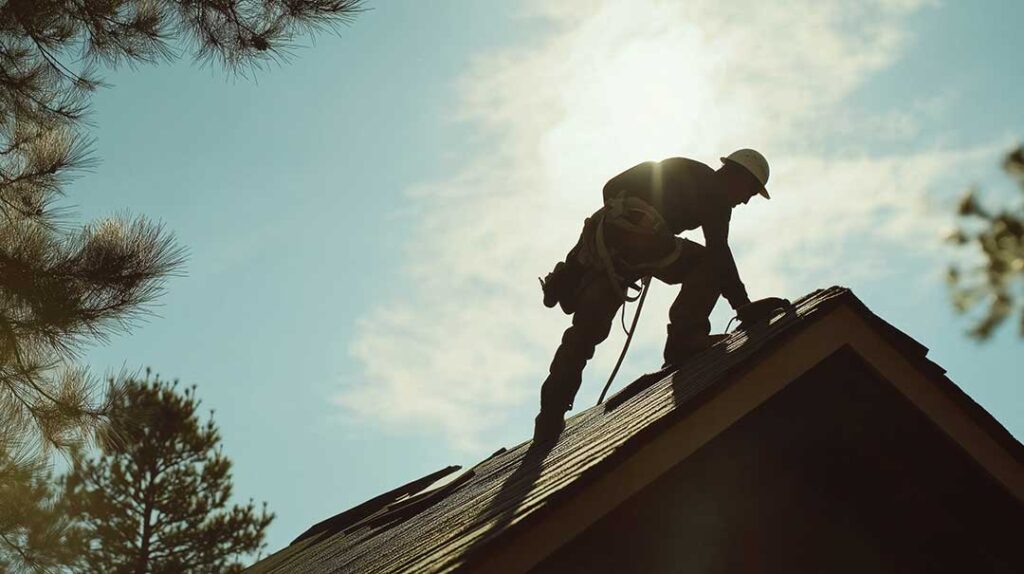
Residents with multi-story homes or steep rooflines should cautiously avoid climbing ladders without assistance or the proper tools. If the inspection reveals extensive damage or safety concerns, seeking help from someone with the right equipment is warranted.
Which Repairs Should Be Prioritized Before Hurricane Season?
Loose, missing, or curling shingles, deteriorated flashing around chimneys and vents, and failing sealant on roof joints represent the most pressing repairs. Addressing these issues limits water entry during heavy storms.
Elmira’s typical roof types—often asphalt shingle, occasionally metal or slate—benefit from:
- Replacing any damaged or missing shingles to restore a watertight barrier
- Re-securing lifted flashing and resealing vent boots
- Clearing any moss or debris that holds moisture against the roof surface
- Repairing or replacing corroded nails and fasteners
Neglecting minor visible damage can quickly result in leaks or shingle blow-off when storms arrive, especially with older roofs that may already have weathering.
How Should Gutters and Drains Be Prepared?
Clear and functional gutters are crucial in handling the intense rain that sometimes accompanies hurricane remnants in the region. Overflowing gutters can cause roof edges to deteriorate and result in water entering basements or crawlspaces.
Preparation steps include:
- Clearing all debris from gutters and downspouts
- Checking that downspouts direct water at least several feet away from the home’s foundation
- Ensuring gutter hangers are tight and not pulling away from the house
- Looking for leaks or gaps at joints and corners
Homes situated under heavy tree cover in Elmira require more frequent gutter checks, especially after each major rainfall.
What Should Elmira Residents Know About Tree and Yard Maintenance?
Tree limbs that overhang roofs are among the most common sources of roof damage during storms. In Elmira, mature maples, oaks, and pines are widespread in residential neighborhoods, making this an important seasonal concern.
- Trim back any branches that extend over or touch the roof
- Remove dead, weak, or damaged limbs before the storm season
- Regularly clear leaves and twigs from the roof surface, especially in gutters
Fallen or wind-blown limbs can puncture shingles, block gutters, or lead to sudden water pooling. Yard items like grills, furniture, or children’s toys should be secured or stored ahead of high-wind forecasts to reduce the risk of debris-driven damage.
Are Homeowner DIY Waterproofing Approaches Effective?
Basic DIY measures can improve water resistance if applied correctly and regularly maintained. Locally, using a high-quality roof sealant on exposed nail heads, flashing, and vents offers an extra line of defense against wind-driven rain.
- Only use materials specifically rated for the roof type and weather extremes
- Do not use tar or temporary fixes as permanent repairs; these often break down quickly with sun and rain exposure
- Observe any changes in interior ceilings or attic insulation after storms for signs of new leaks
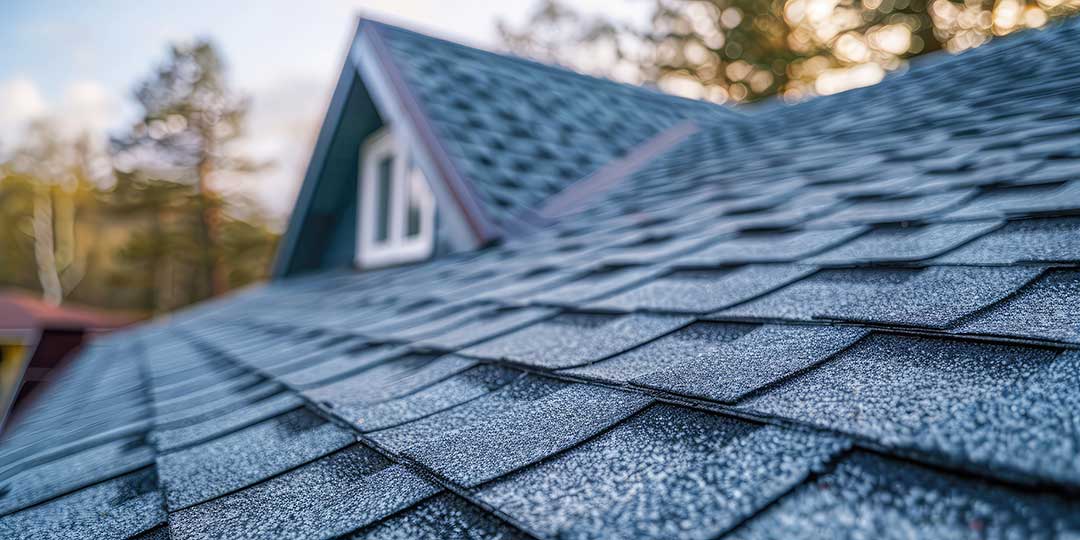
While DIY methods help, significant roofing issues—such as large holes, structural sagging, or widespread shingle loss—must be addressed with proper materials and skills to meet local building codes and keep households safe.
What Insurance Records or Documentation Is Useful to Prepare?
Keeping accurate records and photos of the roof’s condition before the season provides a useful reference should damage occur. Area households often overlook this step until after a storm has passed.
- Take clear date-stamped photos of all sides of the roof and any visible trouble spots
- Keep records of maintenance, repairs, and any professional inspections
- Store documentation in a safe, easily accessible place
Should insurance claims become necessary, pre-storm documentation helps clarify the pre-existing condition of the roof.
Are There Local Codes or Municipal Requirements for Roof Storm Prep?
Elmira enforces building codes for roof construction and repairs aimed at safety and longevity, but there are no specific annual mandates for hurricane readiness. Homeowners are expected to maintain roofs in a safe, watertight condition as part of general property upkeep.
- In case of major repairs or structural changes, permits may be required
- Any work near utility lines (especially in older neighborhoods) should follow local safety rules to prevent accidents during ladder use or tree trimming
- Local regulations encourage safe disposal of roofing debris to prevent stormwater drain blockages
Checking with the city’s building department is recommended if major alterations or emergency repairs are needed, especially after large storm events.
How Does Elmira’s Climate Affect Roof Preparation Routines?
While hurricane risk is lower in Elmira compared to coastal locations, local roofs endure a unique blend of weather: hot summers, cold winters, freeze-thaw cycles, and heavy rain. This combination can create hidden vulnerability—ice damming in winter may weaken areas that will later become problem spots during wind or rain events.
- Annual inspections should be scheduled after the last threat of spring frost and before the height of summer thunderstorms
- Areas with prior snow accumulation or historic leaks require extra attention
- The region’s varied architecture—ranging from historic homes to newer builds—means roof maintenance schedules may differ, especially regarding material aging and gutter systems
Prioritizing year-round maintenance, rather than seasonal panic, best prepares local homes for both hurricane season and the next winter.
