
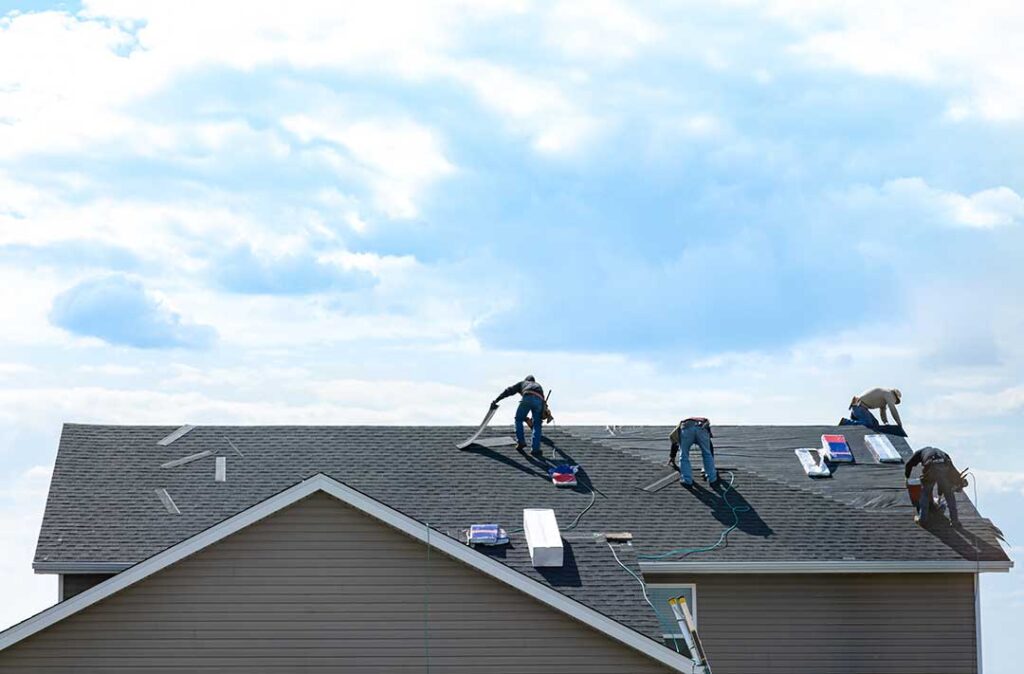
Why small roof problems rarely stay small
A minor roof defect can allow water, wind, and cold air into parts of a home that are not designed to handle them. In Elmira, NY, delayed repairs can become more serious during repeated freeze-thaw cycles, heavy rain, wet snow, and strong seasonal winds.
A missing shingle, lifted flashing, cracked vent boot, or loose gutter connection may not cause an obvious interior leak right away. Water can travel beneath roofing materials, along roof decking, or through insulation before it appears on a ceiling. By the time a stain becomes visible, moisture may already have affected several layers of the building.
The danger is not only the original damage. The longer a defect remains open to the weather, the more likely it is that secondary problems will develop.
What can happen when a roof leak is ignored?
An ignored leak can damage roofing materials, insulation, ceilings, wall finishes, electrical components, and structural wood. The extent depends on the leak’s location, how often the roof is exposed to precipitation, and how quickly the affected materials can dry.
Common consequences include:
- Rotting roof decking: Plywood or other roof sheathing can weaken after repeated wetting.
- Damaged insulation: Wet insulation loses effectiveness and may remain damp for long periods.
- Stained ceilings and walls: Brown or yellow marks often indicate water has traveled beyond the original entry point.
- Peeling paint and damaged drywall: Moisture can cause bubbling, cracking, sagging, or crumbling surfaces.
- Mold and musty odors: Persistent dampness creates conditions that may support mold growth.
- Corroded metal components: Fasteners, flashing, vents, and electrical boxes may deteriorate when exposed to moisture.
- Higher heating costs: Wet insulation, air leaks, and damaged roof assemblies can reduce energy efficiency.
A ceiling stain should not be judged only by its size. A small visible mark can be connected to a larger hidden area of moisture.
Why Elmira’s seasonal weather can accelerate roof damage
Roofing materials expand and contract as temperatures change. In the Elmira area, winter cold, spring moisture, summer heat, and autumn debris can place different stresses on the same roof over the course of a year.
Freeze-thaw cycles are especially hard on small openings. Water enters a crack or seam, freezes, expands, and places pressure on surrounding materials. When temperatures rise, the ice melts, but the opening may remain or become larger. Repeated cycles can loosen flashing, split sealants, and worsen cracks around vents and chimneys.
Snow and ice can also expose weaknesses. Accumulated snow adds weight, while melting snow may refreeze near colder roof edges. Ice buildup can interfere with drainage and force water beneath roofing materials. This does not mean every roof with snow or ice will develop a leak, but existing defects may become more noticeable during winter conditions.
Wind can lift shingles, loosen ridge caps, and disturb flashing. Even if a roof looks generally intact from the ground, a few damaged sections may allow water to enter during the next storm.
Can a roof leak cause structural problems?
Yes. A persistent leak can weaken wood components that support the roof or transfer loads to walls. Structural damage is more likely when moisture remains trapped, the leak is recurring, or the affected area is near a roof edge, valley, chimney, dormer, or other transition.
Warning signs of potentially serious damage include:
- Sagging roof sections
- A ceiling or wall that feels soft or swollen
- Doors or windows that begin sticking near a damaged area
- Exposed or deteriorating wood
- A persistent musty odor in an attic or upper floor
- New cracks, bulges, or uneven surfaces
- Visible daylight through the roof from inside an attic
A sagging roof surface requires prompt attention because it may indicate weakened decking or framing. Walking on a visibly sagging area can be unsafe.
Why attic moisture is sometimes mistaken for a roof leak
Not every water mark comes from a failed shingle. Condensation can also create moisture in an attic, particularly when warm household air enters a cold attic through gaps around light fixtures, wiring, plumbing penetrations, attic hatches, or ductwork.
Poor ventilation may allow moisture to remain in the attic. Signs can include damp insulation, frost on roof sheathing during cold weather, rusty fasteners, or widespread discoloration rather than one concentrated leak path.
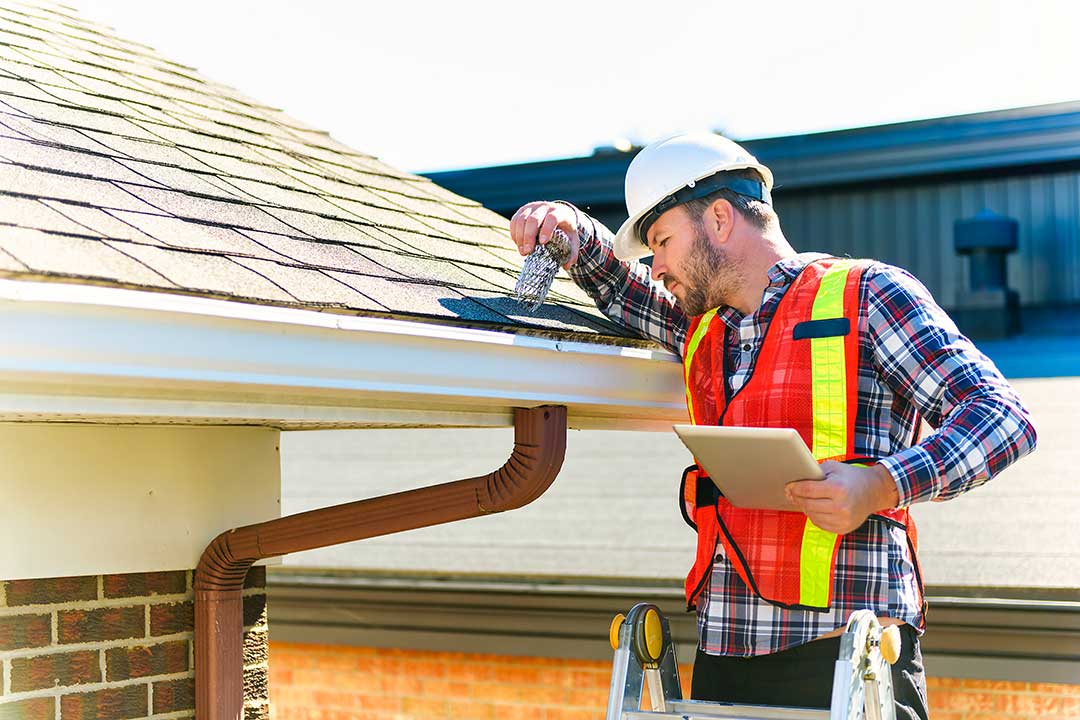
The distinction matters because replacing a roofing material alone may not solve a condensation problem. Likewise, improving ventilation will not repair an opening in the roof. Some homes have both conditions at the same time.
Are roof repairs still necessary if the leak stops?
Yes. A leak can stop temporarily without the underlying problem being corrected. Dry weather may simply prevent water from entering for a while. A clogged drainage path may clear on its own, or a damaged material may shift into a position that temporarily blocks water.
Interior surfaces can also dry enough for a stain to stop spreading while moisture remains inside insulation, wood, or wall cavities. The absence of active dripping does not prove that the roof has recovered.
After heavy rain, wind, or snow, it is useful to look for new stains, damp attic materials, displaced shingles, or debris near roof drainage points. Inspections from the ground are safer than climbing onto a wet, icy, or steep roof.
How delayed repairs affect household safety
Water near electrical wiring, ceiling fixtures, outlets, or appliances can create a shock or fire hazard. A ceiling that is sagging from accumulated moisture may also fail without much warning.
Roof damage can create additional risks during cleanup. Wet insulation, broken roofing materials, exposed nails, unstable ladders, and icy surfaces can cause injury. Roofs are particularly hazardous during rain, snow, high winds, and freezing temperatures.
If water is near electrical equipment, the affected area should be avoided until it can be made safe. A bulging ceiling should not be pressed, punctured, or stood beneath. Emergency conditions may require assistance from qualified building, electrical, or structural specialists rather than routine roof maintenance.
What should residents document after roof damage?
Clear documentation can help track whether a problem is growing. Useful details include:
- The date and weather conditions when damage was noticed
- Photos of interior stains, exterior materials, attic conditions, and fallen debris
- The location of dripping, dampness, or unusual odors
- Whether the problem appears during rain, snowmelt, or high winds
- Any changes in ceilings, walls, insulation, or roof shape
- Temporary steps taken to limit water entry
Temporary covering or water collection may reduce immediate damage, but these measures are not permanent repairs. Coverings can also become dangerous if installed during poor weather or without safe access.
Which roof problems deserve the fastest attention?
Active leaks, exposed roof decking, major missing areas of roofing, damaged flashing around penetrations, sagging surfaces, and water near electrical components should be treated as urgent. Problems that appear after wind or heavy snow deserve attention even if the interior is still dry.
Less urgent defects can still worsen if left through another season. Small cracks, loose trim, deteriorated sealants, clogged drainage paths, and isolated damaged shingles are easier to address before moisture reaches insulation or structural wood.
The practical lesson is straightforward: a roof rarely fails all at once. Damage often progresses through a series of small openings, repeated wetting, hidden moisture, and gradual material deterioration. Early attention can limit the affected area and reduce the chance that a simple roofing defect becomes a broader home-repair problem.
