
Why Check Your Roof After Severe Weather?
Even a brief storm can cause hidden damage that leads to bigger problems for local households. Area roofs face hazards like heavy winds, tree branches, hail, and intense downpours. Damage isn’t always obvious from the ground, but catching issues early helps prevent leaks and costly repairs common in the climate.
What Are the First Signs of Storm-Related Roof Damage?
The most common visible signs appear at roof edges, shingles, gutters, and the attic. Right after a storm, typical damage indicators include:
- Shingles that are missing, curled, cracked, or have exposed nails
- Granules from shingles collecting in gutters or on the ground
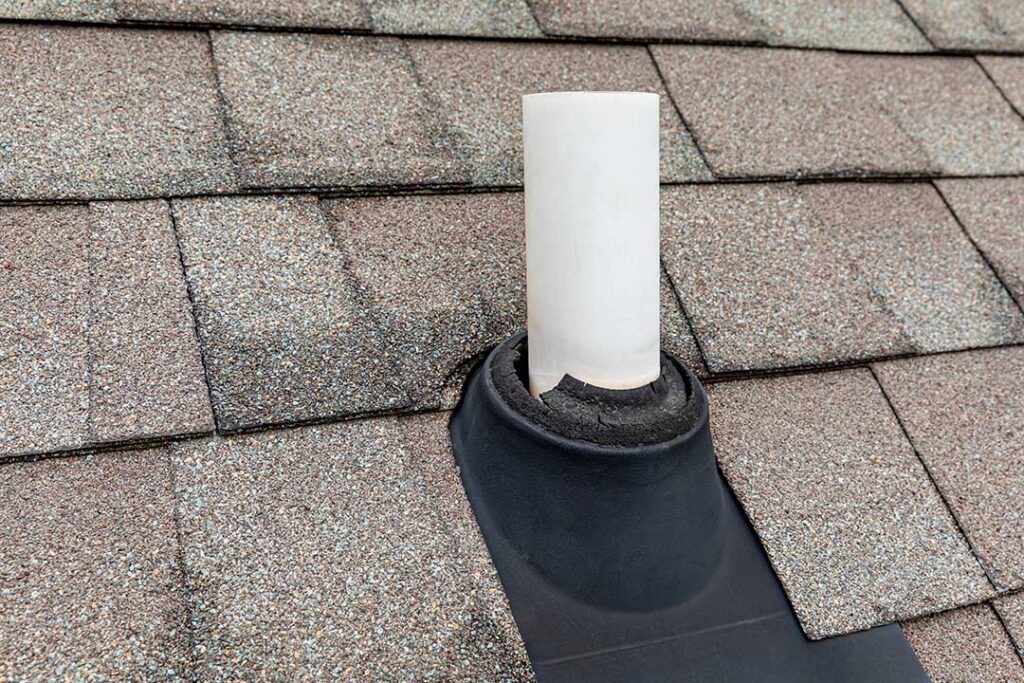
- Bent or detached flashing (the metal pieces around chimneys and vents)
- Debris such as branches or large limbs on the roof
- Water stains on ceilings or in the attic (often discovered days later)
Even if no obvious damage is seen, changes like new water spots or damp smells indoors might point to storm impact.
How Should Residents Safely Inspect Their Roof?
A basic walk-around inspection is possible for most residents. Start with a full circle around your home, staying on the ground and using binoculars where helpful. Never climb onto the roof unless you’re confident it’s safe and the roof is structurally sound and dry.
Focus on:
- Shingle rows—look for anything out of alignment or patches missing surface granules
- Rooflines—check for sagging or uneven areas
- Gutters—inspect for blockages, bent sections, or loose attachments
- Downspouts—ensure water is flowing away from your foundation
- Attic—after storms, a peek into the attic for drips, wet insulation, or daylight seeping through can reveal leaks early
Residents should only attempt closer inspection (like from a ladder) if it can be done without risk. If the roof is steep, slippery, or has visible structural damage, further inspection should be left to qualified individuals due to safety concerns.
What Kinds of Storms Cause the Most Roof Damage Locally?
In the local area, thunderstorms with high winds, heavy wet snow, ice storms, and the occasional hail event are the main culprits. Spring and fall storms bring direct wind and water exposure, while winter ice dams can lead to trapped moisture seeping beneath shingles. Large, mature trees close to homes increase the risk of roof punctures from falling branches.
Flat and older roofs are especially vulnerable, as are any roofs near their expected replacement age. Checking after each major event—even something that “didn’t seem that bad”—is a wise practice given the combination of snow load, wind, and freeze-thaw cycles typical in the region.
What Damage Is Often Overlooked by Homeowners?
Some damage hides in plain sight or seems too minor to matter, but can cause leaks and further wear:
- Tiny punctures from driven debris or hail
- Damaged flashing at roof valleys or around skylights
- Loosened gutter hangers that result in water backup
- Nail pops (shingle nails pushed up slightly), which break the waterproof seal
- Water stains in corners of the attic, not just the center

Residents often miss subtle color variations in shingles, which can be a sign of granule loss from wind abrasion or hail impact.
Can Small Roof Problems Wait for Repair?
Small issues after a storm—like a few lifted shingles or a minor flashing bent—can quickly worsen if left unaddressed, particularly in the region’s wet seasons. Moisture can seep into the wood structure, leading to rot, mold growth, or insulation damage. For this reason, it’s usually not wise to ignore anything odd found during a post-storm inspection.
Are There Seasonal Considerations for Storm Roof Checks?
Yes, several local factors shape the inspection routine:
- After winter, check for shingle shifting or missing granules caused by ice dams and snow removal.
- After summer and fall storms, be on the lookout for wind damage, missing pieces, and gutter blockages.
- Heavy leaf fall can create roof and gutter clogs that trap moisture, leading to slow leaks residents might not notice until water damage appears indoors.
- Inspecting after wind advisories—even if no major tree limbs are down—is smart, as gusts can peel shingles or loosen fasteners.
Given changes in weather patterns, checking after any severe or unusual weather helps catch problems early.
What Should Homeowners Document After Noticing Damage?
If evidence of new storm damage is found, take clear photos from the ground and keep written notes about the date, the areas affected, and any changes observed compared to prior roof condition. Try to capture close-ups of shingle damage, gutter obstructions, or any interior leaks. This recordkeeping can assist conversations with your insurance company if needed, and creates a helpful maintenance history for future reference.
