

Are All Roofing Materials Equally Suited for Local Weather?
Different roofing materials perform very differently in Elmira’s climate, yet many assume all options work the same. Elmira experiences a wide range of temperatures, frequent snow accumulation, ice damming concerns, and occasional wind storms. Asphalt shingles remain common because they balance cost, durability, and ease of replacement. However, materials like metal, slate, or wood shakes have trade-offs in terms of weight, maintenance, and seasonal performance.
- Metal roofs may shed snow easily, but can be noisier during hail or rain.
- Slate lasts decades but may be too heavy for some older homes without additional structural support.
- Wood shakes can require more upkeep in our region’s moist months.
Choosing the right material depends on more than just budget—weather resistance, roof pitch, and the style of homes in the community all play a part.
Do Roofs Only Need Attention After a Leak or Storm?
Many homeowners believe roofing only needs care when visible problems occur, but this approach misses the early signs that prevent costly damage. Roof systems in Elmira face gradual wear from sun, wind, and freeze-thaw cycles.
- Small issues like loose shingles, minor flashing gaps, or clogged gutters often go unnoticed until water finds its way inside.
- Infrared scans and periodic attic checks can reveal hidden leaks or damp insulation before a ceiling stain appears.
Routine inspection—especially after winter or high winds—catches issues early, preventing mold and extending roof life.
Is a New Roof Always Required if Shingles Appear Worn?
Torn or curling shingles catch the eye, but not every worn spot means full replacement is needed. It’s a misconception that every aging roof must be torn off. Some problems are isolated and can be addressed with targeted repairs:
- Missing shingles in one area sometimes result from poor attic ventilation, which can be improved to prevent future problems.
- Valleys, flashing, and ridge caps are common sources of leaks, repairable without full reroofing.
A thoughtful assessment focuses on the roof’s overall structure and underlayment—not just surface appearance. Extending roof service life is often possible if the underlying decking and waterproof layers remain solid.
Are Roof Leaks Always Directly Below the Stain or Drip?
Finding the source of a roof leak isn’t always straightforward. In homes throughout Elmira, roof water often travels along rafters or follows insulation before surfacing. This means the actual entry point can be several feet—sometimes even a whole story—away from where you see interior staining.
- Locating the real source often requires attic access during or shortly after rain.
- Water can migrate sideways or collect at low points, especially in older houses with complex rooflines.
Treating only the visible area often leaves the cause unaddressed. A thorough check of roof vents, flashing around chimneys, and intersections of different roof angles is usually warranted.
Are Roof Warranties Automatically Comprehensive?
Many assume a roof warranty will cover any problem as long as the roof is within its guaranteed period. In reality, most warranties have limits:
- Some only cover materials, not labor or installation.
- Common exclusions include storm damage, improper attic ventilation, or lack of maintenance.
- Filing claims may require receipts, proper documentation, and evidence of routine inspections.
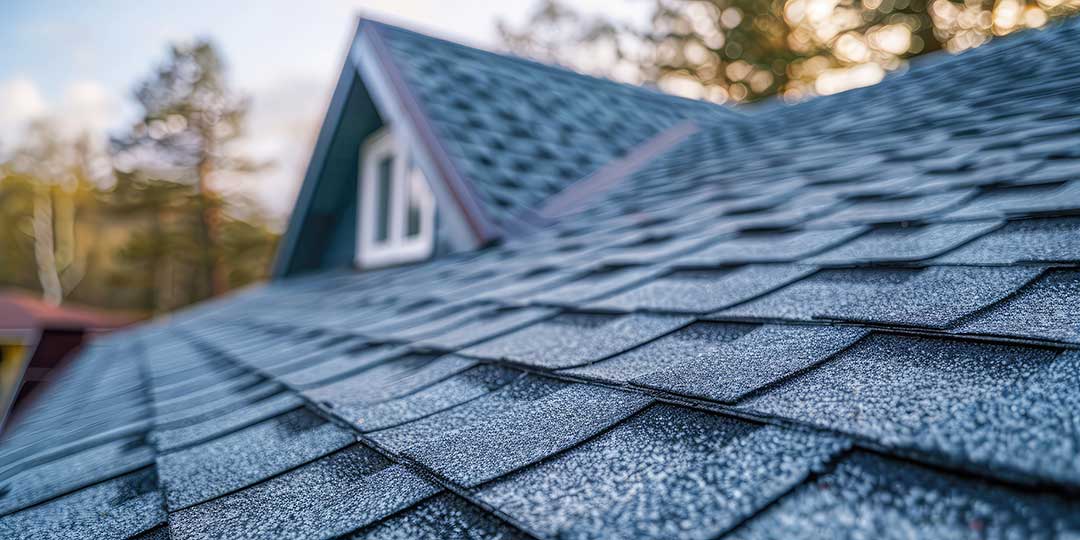
For area households, it’s helpful to retain proof of purchase and any inspection records. Understanding the difference between a “manufacturer’s warranty” and a “workmanship warranty” can save disappointment down the line.
Is Roof Ventilation Optional in a Cold Climate Like Elmira?
Ventilation might seem less critical in cold-weather regions, but Elmira’s seasonal swings make it essential. Without proper airflow, trapped moisture in the attic can freeze and thaw, leading to rot, mold, or premature shingle failure.
- Good ventilation helps reduce ice dam risk by keeping the roof surface cold and limiting snow melt.
- Balanced intake and exhaust (at eaves and ridges) are needed for best results.
Skipping ventilation as a cost-saving measure may shorten roof life and raise winter heating costs due to poor attic insulation performance.
Do Modern Roofing Technologies Eliminate All Maintenance Needs?
Advances like algae-resistant shingles, synthetic underlayments, and self-sealing membranes promise less fuss, but too many believe newer roofs are “set and forget.” Even the most advanced materials require routine checks:
- Wind-driven debris, falling branches, or animal activity can damage vulnerable areas.
- Granule loss, minor punctures, or early sealant failure may still occur.
- Gutter maintenance remains vital regardless of roof age or type.
Regular attic and roof surface inspections help spot these issues before they cause secondary damage.
Are DIY Repairs Enough for Most Roofing Issues?
Do-it-yourself fixes, like applying sealant or replacing a few shingles, appear straightforward on video tutorials. While basic patching can address some small leaks, most roof repairs require understanding of layering, flashing, and how local weather affects long-term performance.
- Walking on a pitched or icy roof involves significant fall risk.
- Misapplied fixes often cause hidden leaks, void manufacturer or insurance coverages, or accelerate underlying issues.
For sizable structural concerns, storm damage involving widespread shingle loss, or any work involving chimney flashing or electrical penetrations, professional guidance is highly recommended due to both safety and insurance rules in the city.
