
Choosing a roofing contractor in Elmira, NY requires more than comparing prices. A reliable decision depends on verifying qualifications, understanding the proposed work, reviewing the contract, and recognizing how local weather affects roofing materials and installation.
A roof is a major part of a home’s weather protection. Poor workmanship may not become obvious until months later, when water enters around flashing, valleys, vents, chimneys, or roof edges. Careful selection helps reduce the risk of premature repairs and disputes.
What should homeowners check first?
Start by confirming that the contractor is an established, properly insured business with experience on roofs similar to the home being repaired or replaced. A contractor should be willing to provide clear documentation rather than relying only on verbal assurances.
Useful items to verify include:
- General liability insurance
- Workers’ compensation coverage for employees
- A physical business address and reliable contact information
- Written references from recent customers
- Experience with the specific roofing material being considered
- A clear explanation of who will perform the work
Insurance matters because roofing involves fall hazards, property damage risks, and heavy materials. A homeowner should not assume that a contractor’s policy automatically covers every worker or subcontractor on the project. Documentation should be current and should match the business name shown on the contract.
A long operating history can be helpful, but it is not the only measure of quality. A newer contractor may still be qualified, while an older company may have changed ownership or crews. The most useful question is whether the people doing the work have relevant experience and whether the contractor can document it.
How can a homeowner compare roofing estimates fairly?
Estimates should be compared by scope, materials, and responsibilities—not just by the total price. Two proposals with very different prices may describe completely different levels of work.
A detailed estimate should identify:
- The areas to be repaired or replaced
- The type and grade of roofing material
- Underlayment and ice-barrier details
- Flashing replacement or repair
- Ventilation work
- Removal and disposal of existing roofing
- Protection for siding, landscaping, windows, and driveways
- Cleanup and magnetic collection of loose fasteners
- Labor and material warranties
- Payment schedule and possible additional charges
A low bid may leave out necessary items such as damaged sheathing, chimney flashing, drip edge, or ventilation improvements. A high bid is not automatically better either. The key is whether the proposal explains what is included and how unexpected conditions will be handled.
Homeowners should be cautious about estimates based only on a quick visual inspection from the ground. Some conditions cannot be confirmed until roofing materials are removed, but the contractor should still explain which discoveries could change the price and require written approval.
What questions should be asked before signing?
Before work begins, ask practical questions about the project and the crew. The answers can reveal whether the contractor has a dependable process.
Questions may include:
- Who will supervise the work?
- Will subcontractors be used?
- How will weather delays be handled?
- What happens if wet or rotted roof decking is discovered?
- How will attic ventilation be evaluated?
- How long should the project take under normal conditions?
- What steps will protect the home if work stops overnight?
- Who is responsible for permits, if permits are required?
- How will complaints or warranty issues be handled after completion?
The contract should state the contractor’s legal business name, project address, scope of work, payment terms, start conditions, cleanup responsibilities, and procedures for changes. Verbal promises should be added to the written agreement or treated as unconfirmed.
Avoid signing blank documents or agreements that give the contractor broad authority to increase costs without a defined process. A reasonable change-order provision should explain what triggers additional work, how the price is calculated, and when the homeowner must approve it.
Why does local weather matter in Elmira, NY?
Roofing work in the area must account for cold winters, freeze-thaw cycles, wind, snow, ice, and periods of heavy rain. These conditions place extra stress on roof edges, flashing, valleys, fasteners, sealants, and drainage systems.
A contractor should explain how the proposed installation will address:
- Ice dam risk near eaves and valleys
- Proper underlayment beneath roofing materials
- Snow and water shedding
- Ventilation that helps manage attic moisture
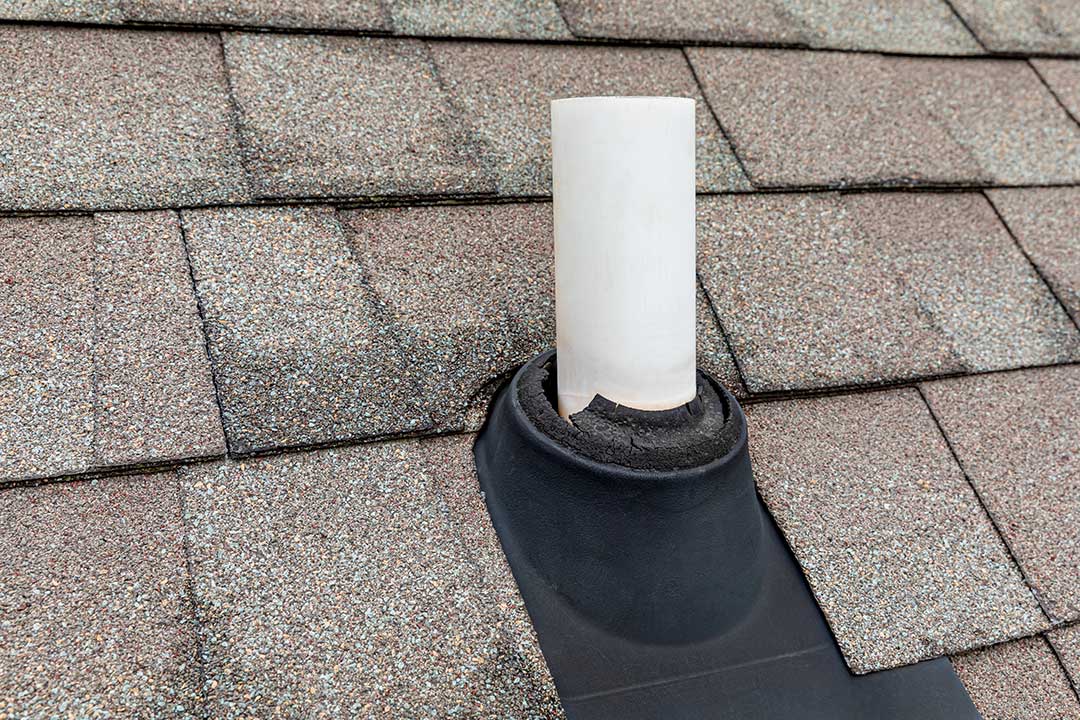
- Flashing around chimneys, skylights, walls, and plumbing penetrations
- Secure installation in areas exposed to strong wind
- Safe storage of materials during changing weather
Older homes may also have multiple layers of roofing, irregular roof lines, additions, or past repairs that complicate installation. Homes with enclosed porches, low-slope sections, or limited attic ventilation deserve a more detailed evaluation because these areas may require different techniques from the main roof.
A contractor who immediately recommends the same solution for every roof may not be accounting for the property’s age, design, ventilation, or drainage pattern.
How can references and reviews be evaluated?
References are most useful when they involve similar projects completed recently. Ask whether the work stayed close to the quoted price, whether the crew protected the property, whether cleanup was thorough, and whether problems were addressed after payment.
Online reviews can provide clues, but they should not be treated as proof by themselves. Look for patterns rather than isolated praise or criticism. Repeated complaints about missed appointments, unexplained charges, poor cleanup, or difficulty reaching the contractor deserve attention.
It is also reasonable to ask for proof of completed roofing work without requesting access to private property. A contractor should be able to describe comparable projects and explain the materials and installation methods used.
What warning signs should be taken seriously?
Certain behaviors create avoidable risk:
- Pressure to sign immediately
- Requests for full payment before work starts
- Refusal to provide insurance information
- A proposal with little detail
- Unusually large cash discounts
- A price that is far below comparable written estimates
- Unclear responsibility for permits or subcontractors
- Claims that roof damage is covered without reviewing the insurance policy
- Requests to pay for work that has not been authorized in writing
Storm-related roof damage can make homeowners especially vulnerable to rushed decisions. Temporary protection may be needed if water is entering the home, but emergency action does not eliminate the need for documentation. Photographs, written observations, receipts, and copies of all agreements can help preserve a clear record.
When is a roofing contractor needed rather than a minor repair?
Small maintenance issues may be manageable when they are easy to access and clearly understood, such as replacing a loose fastener or clearing a visible obstruction from a safe location. Professional assessment becomes more appropriate when there are active leaks, widespread shingle loss, sagging, damaged flashing, suspected structural problems, or roof areas that are unsafe to access.
Roofing work should not be attempted from a ladder or roof surface during snow, ice, high winds, or wet conditions. A damaged ceiling, exposed electrical fixture, or large interior leak may also create hazards beyond the roof itself.
The right contractor is not simply the one with the lowest price. It is the one who explains the roof’s condition clearly, documents the proposed work, carries appropriate insurance, uses suitable methods for the property, and provides a written agreement that leaves few important questions unanswered.
