

Why Do Shingles Curl and Crack in Elmira, NY?
Shingle curling and cracking are common issues for many local roofs, especially given the area’s four distinct seasons and freeze-thaw cycles. These issues happen when asphalt shingles lose their flexibility and protection, primarily due to age, weather exposure, or improper installation.
Frequent cycles of freezing and thawing in Elmira can make shingles brittle over time. During the summer, intense sun and heat can dry out the asphalt, while wind-driven rain and snow in the colder months contribute to the wear.
How Can You Tell If Your Shingles Are Curling or Cracking?
Obvious signs include edges of shingles lifting upward (curling), or visible splits and lines across the surface (cracking). Most area homeowners first spot these problems from the ground after storms or while cleaning gutters.
If you feel comfortable using a ladder safely, check for:
- Corners and edges lifting up or folding back
- Long surface cracks, especially near tabs
- Discoloration, granule loss, or brittleness around damaged areas
Do not walk on roofs with visible curling or cracking; damaged shingles are more likely to break.
What Problems Can Arise From Ignoring Damaged Shingles?
Letting curling or cracking go untreated can lead to bigger issues, particularly with the wet climate and temperature swings seen locally. Moisture can slip beneath defective shingles, leading to:
- Interior leaks and water stains
- Mold or mildew growth in attics and insulation
- Higher risk of ice dams during winter freezes
Even a handful of compromised shingles can weaken the overall weather protection of the entire roof, causing costlier repairs in the future.
What Causes These Issues in This Region?
Most cases trace back to a few locally relevant causes:
- Aging materials: Shingles on older Elmira homes may simply be reaching the end of their useful life (usually 20-25 years).
- Poor attic ventilation: If attics get too hot or humid, shingle wear speeds up.
- Repeated ice and snow buildup: The region’s winters contribute to extreme temperature differences on the roof surface, stressing materials.
- Improper installation: Shingles installed with too few nails, or on top of existing layers, tend to curl or crack sooner.
Sometimes, roof valleys, edges, or areas around chimneys see more rapid wear due to wind or water flow patterns typical to local roof shapes.
What Immediate Steps Should You Take?
Once shingle curling or cracking is discovered, it’s best to act before the next heavy rain or snow. Quick action can prevent leaks and further damage.
Small numbers of curled or cracked shingles can often be temporarily stabilized if you:
- Use roofing cement to carefully secure lightly curled edges (when it’s dry and above freezing)
- Replace small sections with matching shingles if comfortable and safe to do so
For widespread issues, avoid quick cosmetic fixes, as these often mask hidden moisture or rot beneath the surface.
When Does the Problem Require Complete Replacement?
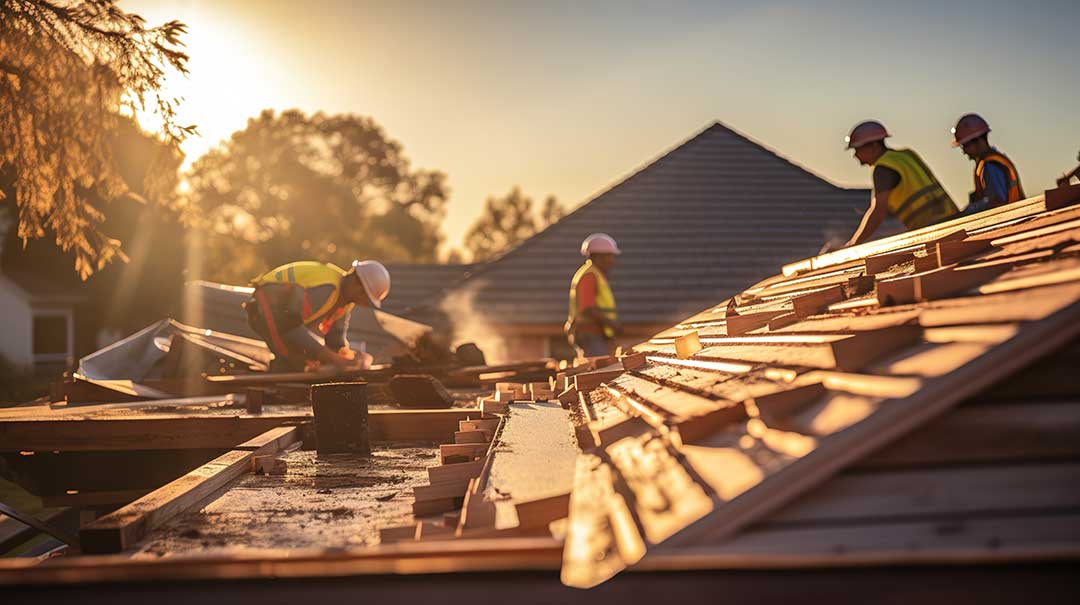
If more than 20% of the visible shingles are curled, cracked, or brittle to the touch, patching may only provide short-term results. Whole-roof replacement is usually necessary when:
- Problems are spread over many areas or worsen quickly after repairs
- There’s evidence of soft or sagging roof decking below
- Leaks have already reached interior ceilings or attic insulation
Elmira’s building codes may limit the number of shingle layers allowed, so repairing repeatedly instead of replacing could eventually violate local standards.
What Are Common Mistakes and Misconceptions?
Some area residents try to flatten curled shingles with extra nails or screws, but this can damage the shingle even more, creating new points for leaks.
A widespread misconception is that minor cracking always indicates immediate danger. In reality, shallow surface cracks may last several more seasons without leaking, especially if they’re not clustered or deep.
Ignoring attic ventilation ducts or insulation upgrades during repairs often leads to repeated shingle problems, as the underlying cause isn’t addressed.
How Can Residents Prevent Future Curling or Cracking?
Routine care before problems appear is key for local roofs:
- Clear leaves, branches, and snow from roof surfaces and gutters each season
- Schedule inspections after major local storms
- Ensure attic vents are open and that insulation is sufficient to prevent heat buildup
Replacing shingles with materials rated for local weather extremes can sometimes extend the lifespan of future repairs or replacements.
What If You Find Moisture or Rot Underneath?
If, during inspection or minor repairs, you notice dark spots, soft wood, or a musty smell in the attic, moisture has likely seeped below the damaged shingles. These issues should be addressed right away to prevent structural damage and indoor air quality problems.
Large patches of rot or water stains may call for not just roofing work, but also partial deck or insulation replacement to restore the roof to safe, healthy condition.
