
What Is Roof Pitch and How Is It Measured?
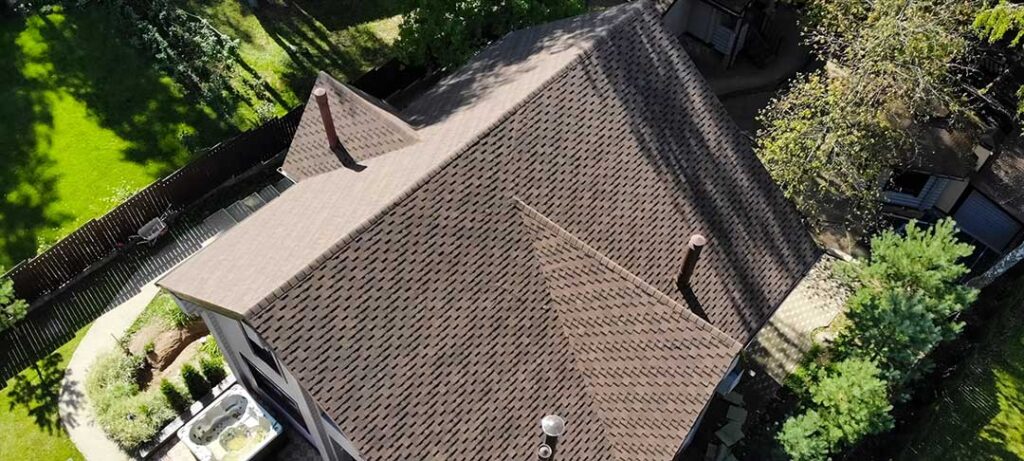
Roof pitch is the angle or steepness of a roof, describing how much it rises for every foot it runs horizontally. Measurement is usually expressed as a ratio such as 4:12, which means the roof rises 4 inches for every 12 inches (one foot) of horizontal distance. This concept is simple, yet essential for understanding how roofs function and why they’re designed the way they are in Elmira, NY.
For example, a “flat” roof might actually have a slight slope, such as 1:12, while a “steep” roof could range from 8:12 to 12:12 or more. Most homes in Elmira have pitches between 4:12 and 8:12, due to the need for snow management and traditional Northeast architecture.
Why Does Roof Pitch Matter in Elmira, NY?
Roof pitch determines how well a roof sheds water and snow, which is particularly important in local winters. In general, steeper roofs:
- Allow rain and melting snow to drain faster, reducing the risk of water infiltration or pooling.
- Shed heavy snow loads more effectively, preventing excessive weight and potential damage.
- Are less prone to debris buildup, which can trap moisture and lead to rot or leaks.
Low-slope roofs can be suitable in some cases but often require special materials and installation to manage moisture properly. In Elmira’s climate, steep-pitched roofs are common as a practical response to frequent snowfall and freeze-thaw cycles.
How Is Roof Pitch Determined for Your Home?
The pitch of a roof is chosen based on several factors:
- Local climate conditions, especially snowfall and rain.
- Architectural style and neighborhood patterns.
- Type of roofing material (some products require minimum slope).
- Local code requirements or traditional building practices.
If you look at most single-family homes in the area, you’ll notice gabled or hipped roofs with visible slopes—these aren’t accidental design choices, but responses to both style and practical weather needs.
Common Questions About Roof Pitch
Does a steeper roof last longer?
Not always, but steeper roofs can stay dry more easily, reducing moisture-related wear. However, very steep roofs also require careful installation and can be more exposed to wind.
Can a flat roof be used in Elmira, NY?
Flat or low-slope roofs are found on some commercial or modern residential buildings, but they must use materials and systems designed to handle slow-draining water and potential snow buildup.
How does roof pitch affect attic space?
A higher pitch often creates more usable attic area, which can be finished as living space or used for storage. Flatter roofs offer less headroom.
How Does Pitch Affect Roofing Materials?
The slope influences which types of roofing materials can be safely installed:
- Asphalt shingles, the most common choice for local homes, generally require at least a 2:12 pitch, but perform best on 4:12 and above.
- Metal roofing, common on barns and some houses, can sometimes work on lower slopes with proper waterproofing.
- Membrane roofs (like rubber or TPO) are typically used for flat or nearly-flat roofs, and these installations are more complex.
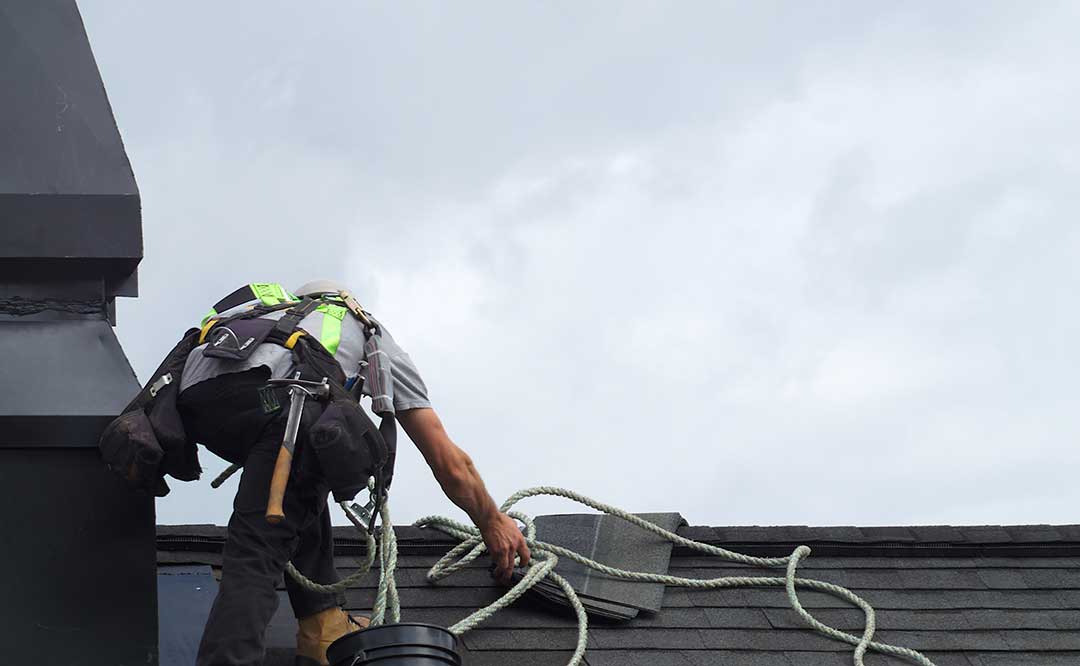
Always ensure the roofing material matches the pitch; improper combinations can lead to leaks or early failure.
Do Local Building Codes Regulate Roof Pitch?
Building codes don’t always dictate a specific pitch, but they do set requirements for water drainage and structural loading, particularly for snow. In practice, most new construction in the city falls within recommended ranges for climate durability. Historical homes may have unique or steeper pitches that reflect period design.
If making alterations, additions, or major repairs, local permitting offices should be consulted for up-to-date codes regarding minimum slope and structural standards.
What Problems Can Happen If the Pitch Isn’t Right?
Choosing the wrong pitch, or using inappropriate roofing materials for a given pitch, can create long-term problems:
- Increased risk of leaks due to poor water flow.
- Accumulation of ice dams along edges in freezing temperatures, leading to backflow under shingles.
- Excessive snow load that may exceed the structural strength of the roof frame.
- Quicker deterioration of roofing and underlayment materials.
Misunderstandings of pitch often emerge during do-it-yourself renovations. Area residents may underestimate the influence of pitch on weather resilience and insulation needs.
Practical Examples and Local Insights
In Elmira, homeowners often encounter issues from mismatched materials and pitch, particularly on additions or garage roofs. For example, adding a sunroom with a flatter roof than the main house can require extra attention to waterproofing and snow management techniques—such as wider valleys, self-adhering underlayment, or improved attic ventilation.
Older homes with steep slate or wood shingle roofs may have maintained longevity thanks to their pitch, while flatter mid-century styles sometimes exhibit issues with ponding water or ice dam leaks.
Assistance from municipal building information resources is helpful for understanding local roof standards, especially if planning repairs or alterations that could affect safety or home insurance.
