
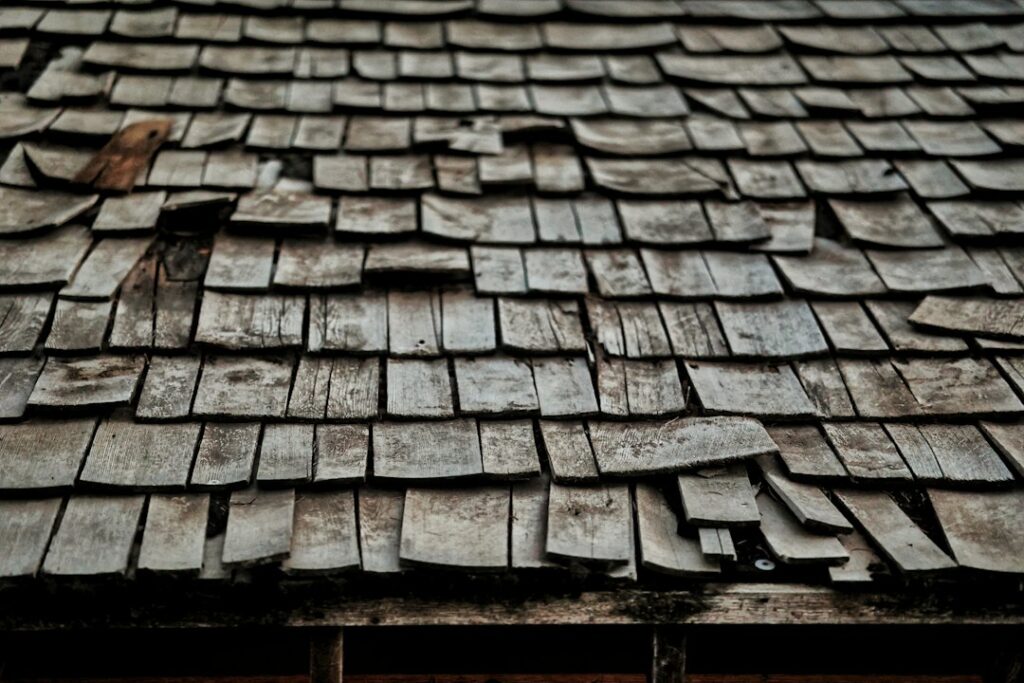
What is the difference between reroofing and roof replacement?
Reroofing usually means installing a new layer of roofing material over an existing layer. Roof replacement generally means removing the existing roofing down to the roof deck, inspecting the underlying structure, and installing a new roofing system.
The two terms are sometimes used interchangeably, but they describe different scopes of work:
- Reroofing: A new roof covering is placed over an existing roof covering, usually without removing all the old shingles.
- Roof replacement: Existing shingles, underlayment, flashing, and other roofing components are removed as needed before new materials are installed.
The distinction matters because the condition of the roof deck, ventilation, flashing, and moisture protection cannot always be fully evaluated during a simple overlay.
Is reroofing the same as putting a second layer of shingles over the first?
Not always. In residential roofing, reroofing may refer broadly to renewing a roof covering, while many homeowners use the term specifically for a shingle overlay.
A shingle overlay is possible only when the existing roof is generally flat, structurally sound, and compatible with the new roofing material. The existing shingles must not be excessively curled, badly damaged, or saturated with moisture. The roof also needs to meet applicable slope, fastening, and ventilation requirements.
An overlay does not correct problems beneath the original shingles. If water has damaged the roof deck, rafters, insulation, or interior framing, those conditions remain hidden unless the old roof is removed.
New York’s residential building requirements address reroofing and roof replacement separately, so the applicable code requirements can depend on the type and extent of work. Local permit procedures may also vary based on the municipality and project details.
When is reroofing a reasonable option?
Reroofing may be suitable when the existing roof has limited, surface-level wear and the underlying structure is in good condition. Common examples include:
- One existing layer of asphalt shingles is still relatively flat
- There are no widespread leaks
- The roof deck is not soft, sagging, or visibly deteriorated
- Flashing around chimneys, walls, vents, and roof edges is still serviceable or can be addressed
- The roof has adequate drainage and ventilation
- The new roofing material is approved for installation over the existing layer
The main advantage is that reroofing can reduce labor, tear-off debris, and exposure of the home to weather during construction. It may also allow the roof covering to be renewed without disturbing as many underlying components.
However, lower initial complexity does not automatically mean better long-term value. If the existing shingles are already near the end of their useful life, an overlay may leave the roof with multiple aging layers that will eventually need to be removed together.
When is full roof replacement the better choice?
Full replacement is generally more appropriate when the roof has widespread damage or when the condition beneath the shingles is uncertain. Warning signs include:
- Multiple active leaks or recurring leaks after repairs
- Shingles that are curled, brittle, missing, cracked, or extensively covered in exposed fiberglass
- Sagging areas or uneven roof planes
- Soft spots in the roof deck
- Rot around eaves, valleys, chimneys, or wall intersections
- Evidence of long-term moisture in the attic
- More than one existing layer of roofing
- Poor ventilation or heavy condensation beneath the roof
- Old or damaged flashing that needs complete renewal
A tear-off allows the roof deck to be inspected directly. Damaged sheathing can be replaced, and the installation can include new underlayment, ice-barrier protection where required, flashing, vents, and edge details.
That visibility is especially useful in older homes, where years of small leaks may have affected areas that are not obvious from the ground.
How do Elmira’s seasons affect the decision?
Elmira experiences cold winters, snow, ice, spring rain, summer heat, and repeated temperature changes. These conditions place stress on roofing materials and roof drainage systems.
Freeze-thaw cycles can enlarge small cracks and loosen weak areas. Snow and ice can expose problems around valleys, eaves, roof-wall intersections, and poorly flashed penetrations. Ice dams may also develop when heat escapes into a poorly ventilated attic and melts snow unevenly across the roof.
For that reason, a roof that appears acceptable from the street may still have problems at:
- Eaves and gutters
- Valleys where roof surfaces meet
- Chimney and sidewall flashing
- Plumbing vent openings
- Areas beneath attic insulation
- Roof sections shaded from sunlight
- Places where snow and ice remain after other areas have cleared

Local weather does not automatically require full replacement, but it makes proper drainage, flashing, underlayment, and attic ventilation particularly important.
Can a roof be reroofed if it has a leak?
Sometimes, but a leak should not be treated as a surface-only problem without investigation. A small leak may result from a damaged shingle, but water can also enter through flashing, valleys, roof edges, or penetrations.
If the leak has caused only limited damage and the rest of the roof is sound, a repair or carefully evaluated reroofing project may be possible. If the roof deck or framing has absorbed significant moisture, an overlay may conceal the damage and make future leaks harder to trace.
Water stains inside the home do not always appear directly below the point of entry. Roof leaks can travel along rafters, sheathing, insulation, and wall cavities before becoming visible indoors.
Does reroofing improve the roof’s lifespan?
Reroofing can provide a new weather-resistant surface, but its service life depends heavily on the condition of the old roof and the quality of the installation.
A new layer cannot restore deteriorated decking or correct poor roof design. It also does not eliminate aging materials underneath. If the existing roof is near failure, the new layer may perform less reliably than a complete replacement.
A full replacement usually provides a cleaner starting point because the entire roof assembly can be reviewed. That does not guarantee a problem-free roof, but it makes hidden defects easier to identify and correct.
What should homeowners inspect before choosing either option?
Before deciding, examine the roof as a system rather than focusing only on shingle appearance. Useful questions include:
- How many layers of roofing are already present?
- Is the roof deck solid when inspected from the attic or during limited access?
- Are there water stains, damp insulation, or signs of condensation?
- Are shingles lying flat, or are they curling and lifting?
- Does the attic have appropriate intake and exhaust ventilation?
- Are valleys, eaves, and flashing in good condition?
- Are gutters and downspouts moving water away from the foundation?
- Has the roof had repeated repairs in the same areas?
A roof inspection involving steep slopes, unstable surfaces, hidden structural damage, or active electrical hazards should not be treated as a do-it-yourself task. Roof work also requires attention to fall protection and weather conditions, particularly during snow, ice, wind, and wet weather.
Which option is right for an older home?
Age alone does not determine whether reroofing is appropriate. An older roof with a sound deck and one well-maintained layer may qualify for limited reroofing, while a newer roof with trapped moisture or poor installation may require removal.
For older homes, the more useful question is whether the roof assembly can reliably protect the structure through future winters and heavy rain. If that answer depends on hiding known damage, a full replacement is generally the more transparent approach.
The practical difference is simple: reroofing renews the outer covering, while roof replacement gives the entire roofing assembly an opportunity to be examined and rebuilt. The right choice depends on the number of existing layers, the condition beneath them, the roof’s drainage and ventilation, and the extent of weather-related wear.
