
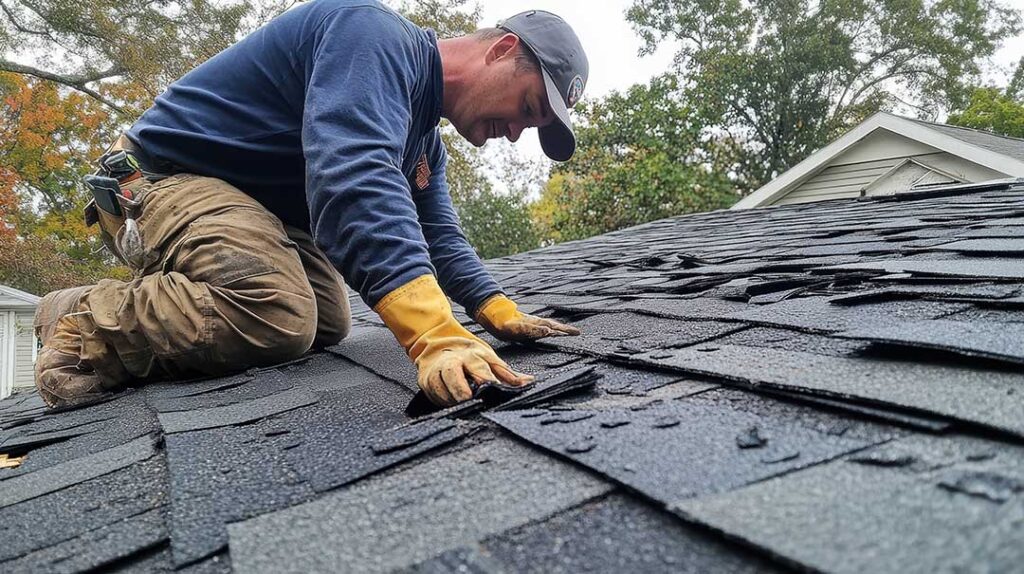
Roof flashing is the thin material installed around roof joints, edges, and openings to direct water away from vulnerable areas. Although it is easy to overlook from the ground, properly installed flashing is one of the main defenses against leaks, rot, mold, and damage to interior ceilings and walls.
What is roof flashing?
Roof flashing is a layer of water-resistant metal or another approved material placed where roofing surfaces meet or where water could collect and enter the structure. It works by guiding rain, melting snow, and ice toward the drainage system instead of allowing moisture to pass through seams.
Common flashing materials include:
- Aluminum
- Galvanized steel
- Stainless steel
- Copper
- Lead-coated materials
- Flexible membrane products used in specific roofing details
The correct material depends on the roofing system, weather exposure, surrounding metals, and the type of joint being protected. Flashing is not a single piece installed in one location. A complete roof may contain several different flashing details, each designed for a particular water-flow problem.
Where is flashing installed?
Flashing is typically found around roof penetrations, changes in roof direction, and places where one building material meets another. Common locations include:
- Chimneys
- Plumbing vent pipes
- Skylights
- Roof-to-wall intersections
- Valleys
- Dormers
- Eaves and roof edges
- Rake edges
- Roof-mounted equipment
- Areas where additions connect to an older structure
Step flashing is used where a sloped roof meets a vertical wall. Individual pieces overlap like steps, allowing water to move downward while protecting the joint beneath the siding or wall covering.
Counterflashing is often placed over or into masonry, such as a chimney. It helps protect the upper edge of the base flashing and prevents water from slipping behind the flashing assembly.
Valley flashing is installed where two roof planes meet. Valleys receive concentrated water flow, so poor installation, debris buildup, or damaged materials can create leaks even when the surrounding shingles appear intact.
Why does flashing matter in Elmira, NY?
Elmira, NY experiences conditions that can place repeated stress on roof flashing, including winter snow, freeze-thaw cycles, wind-driven rain, and spring melting. Water may enter a small opening, freeze, expand, and gradually enlarge the gap. Repeated movement can loosen fasteners, separate seams, or crack sealants.
Snow and ice also change how water moves across a roof. When snow melts during a daytime temperature increase and refreezes at night, ice can form near colder roof edges and drainage points. This may create temporary backup conditions that test flashing around eaves, walls, chimneys, and other transitions.
Older homes in the area may contain several generations of roofing materials or additions built at different times. Each transition creates another location where flashing must be correctly integrated. A roof can have sound shingles and still leak because the flashing beneath or beside them has failed.
How does flashing prevent leaks?
Flashing creates a controlled path for water. It does not usually stop water from reaching a roof joint; instead, it makes sure that water is redirected over the roofing surface and into gutters or away from the wall assembly.
Effective flashing depends on several details:
- Pieces must overlap in the direction water flows.
- Fasteners should be placed where they will not create unnecessary openings.
- Flashing must be integrated with shingles, membranes, siding, or masonry.
- Joints need enough movement tolerance for temperature changes.
- Sealants should supplement proper design rather than replace it.
- Water must have a clear drainage path.
A bead of caulk cannot correct flashing that is too short, installed backward, trapped beneath incompatible materials, or missing entirely. Sealants can deteriorate from sunlight, temperature changes, and movement, so they are not a permanent substitute for correctly layered flashing.
What are signs of damaged or failed flashing?
Some flashing problems are visible from the ground, while others appear only in an attic or interior space. Warning signs may include:
- Brown or yellow ceiling stains
- Damp drywall near chimneys or exterior walls
- Peeling paint around upper-floor windows
- Musty odors in an attic
- Rusted or displaced metal
- Cracked or missing sealant
- Loose siding near a roof intersection
- Water stains that appear after wind-driven rain
- Damp insulation
- Mold or darkened wood around roof penetrations
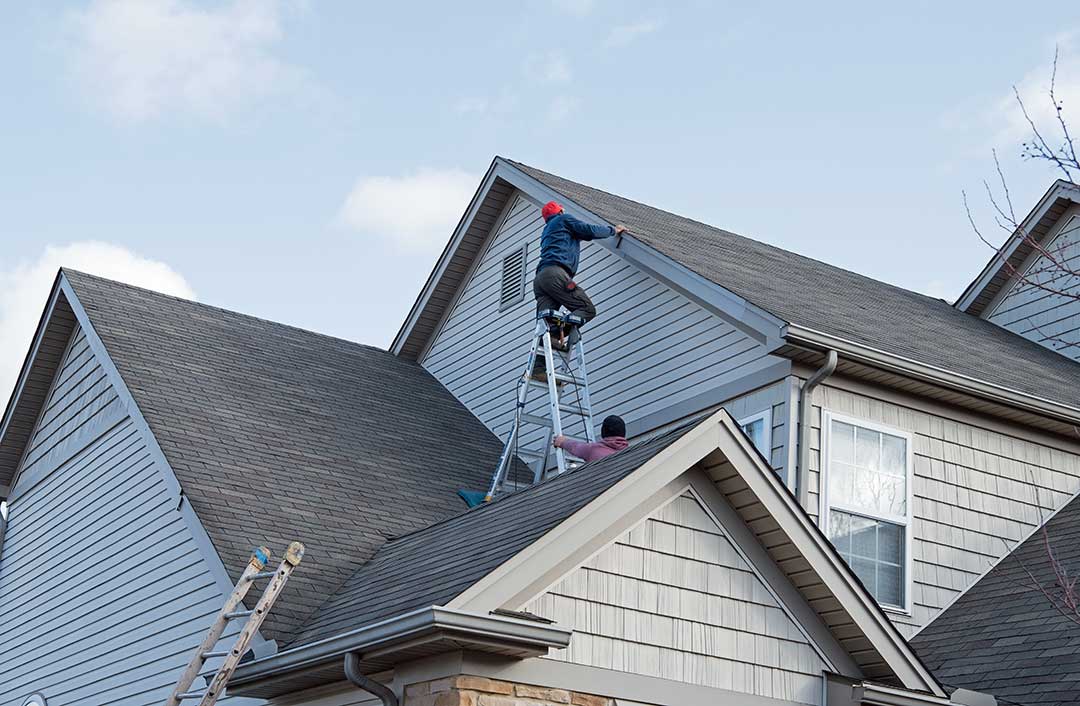
The location of an interior stain does not always identify the exact source. Water can travel along rafters, roof decking, insulation, or wall cavities before becoming visible. A stain below a chimney, for example, may result from flashing, masonry cracks, roofing damage above the chimney, or condensation.
Can flashing fail even if the roof is relatively new?
Yes. Flashing problems can occur on newer roofs if the original installation was incomplete, if an opening was added later, or if another building component was changed without properly reconnecting the flashing.
Roof penetrations are especially vulnerable after work involving antennas, ventilation equipment, skylights, solar-related components, or other attachments. Any new opening changes the water-shedding surface and requires compatible flashing.
Flashing can also fail because of:
- Wind movement
- Corrosion
- Improper nailing
- Thermal expansion and contraction
- Debris trapped beneath overlapping pieces
- Ice pressure
- Deteriorated mortar around masonry
- Incompatible metals touching each other
A roof’s age alone does not determine whether its flashing is reliable. Installation quality, exposure, maintenance, and previous alterations matter as well.
Is flashing replaced during a roof replacement?
Some flashing is replaced during a full roof replacement, but not every piece should automatically be removed or reused. The decision depends on the condition, design, material, and accessibility of each component.
Flashing that is rusted, bent, cracked, poorly sized, or improperly integrated should generally not be covered by new roofing. Reusing old flashing may preserve a weak point beneath an otherwise new roof. However, sound flashing that is correctly installed and compatible with the new roofing system may remain in place in some situations.
The key issue is not simply whether flashing looks clean. It must be capable of handling water, movement, and the specific layers of the roof assembly.
What should residents check after severe weather?
After heavy rain, strong wind, or a major freeze-thaw period, a basic visual inspection can help identify problems early. From the ground, look for missing roofing materials, bent metal, loose-looking sections, or changes around chimneys and roof-wall intersections.
Inside the home, check the attic and upper ceilings for:
- New moisture
- Damp insulation
- Discolored wood
- Fresh water trails
- Condensation that appears unusually localized
Avoid walking on icy roofs or climbing near unprotected edges. Roof details can be difficult to inspect safely, especially during wet or frozen conditions. If water is entering near electrical fixtures, keep clear of the area and address the electrical hazard promptly.
Roof flashing is a small part of the overall roof system, but it protects some of the most leak-prone locations. Understanding where it is located and how it works makes it easier to interpret stains, winter damage, and repairs without assuming that shingles are always the source of a problem.
